
Geopolitical risk premium & vulnerability of global energy supply chains in 2026
In energy markets, we often talk about disruptive tech, renewable transitions, and supply-demand equilibrium. As much as we look toward the future of energy, our global stability stays tethered to a few ancient, physical geographic realities. None is more consequential than the Strait of Hormuz.
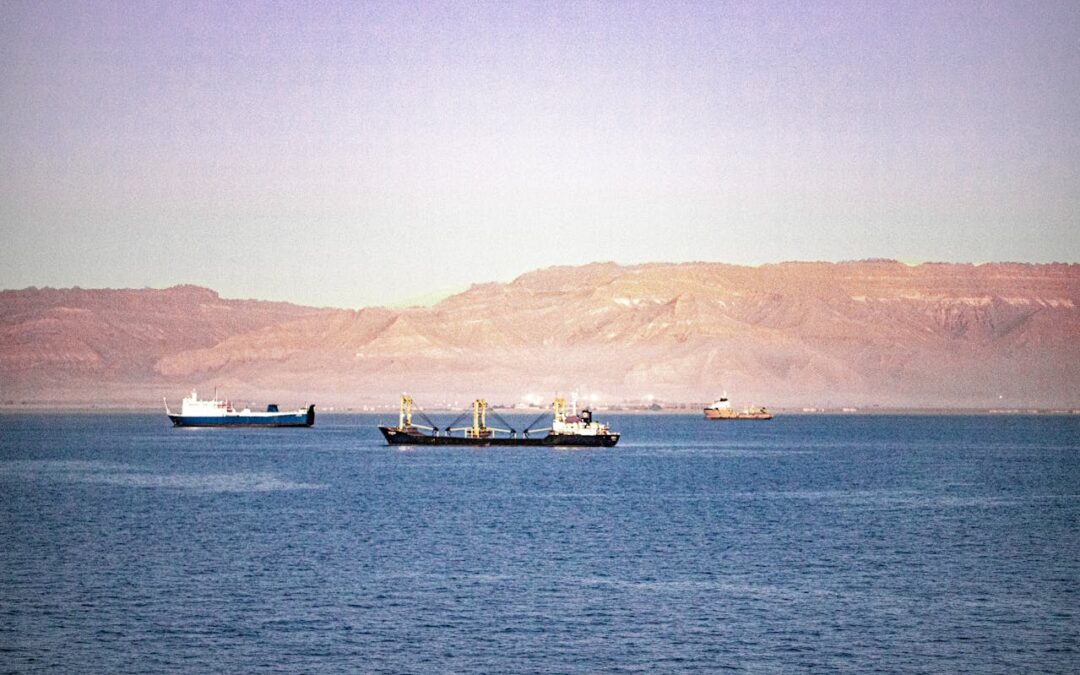
At its narrowest point, the Strait is only 29 nautical miles wide. Yet, through this narrow corridor is the artery for roughly 25% of the world’s seaborne oil trade. As a venture capitalist who regularly tracks policy and power, I believe understanding the chokepoint is no longer optional. It’s the defining factor of the present market.
The Physics of the 2026 Price Surge
The fundamental issue with the Strait is that there are very few viable workarounds. While Saudi Arabia and the UAE have pipelines to the Red Sea or the Gulf of Oman, their combined capacity is estimated at 3.5-5.5 million barrels per day, a small fraction of what typically transits the Strait.
We are seeing the effects of this bottleneck in real time. According to the IEA’s May 2026 Oil Market Report, global supply is struggling to meet demand as conflict-related disruptions in the Gulf have “shut in” significant production. In my experience managing risk for natural resource investments, I’ve seen how price is determined at the margin. You don’t have to lose 100% of the supply to see a massive spike. The mere restriction of traffic has already sent physical crude prices toward record levels.
Beyond Oil: The LNG Fragility
While oil grabs the headlines, the 2026 crisis has highlighted an even deeper vulnerability: Liquified Natural Gas (LNG). Qatar, the world’s second-largest LNG exporter, sends nearly all of its output through Hormuz.
Unlike oil, which can occasionally be rerouted or drawn from strategic reserves, the global LNG infrastructure is much more rigid. For Europe and Asia, which rely on this gas for electricity and heating, the Strait is the difference between a functioning grid and a winter of rationing.
Resilience over Reaction:
As we look ahead to the remaining months of 2026, here is how I’m analyzing the environment in Hormuz.
- The Death of Frictionless Supply: The “geopolitical risk premium” is a permanent fixture of 2026 pricing. Analysts are now forced to factor in “total-loss scenarios” for chokepoints that were previously treated as infrastructure certainties.
- Strategic Autonomy: This crisis proves that domestic production and diversified energy portfolios, including nuclear and renewables, are the bedrock of national security.
- Monitoring the Chokepoints: We must keep our eyes on the physical. Innovation in battery tech is vital, but until we solve the “physics of transit,” 29 miles of water in the Middle East will dictate the pulse of the global economy.
Geography is destiny in the energy world. The 2026 Hormuz crisis is a sobering reminder that our high-tech world still runs on very high-stakes geography.
Connect/Follow:
Read Next:
Zimbabwe’s Lithium Moratorium: What It Means for Global Supply and Investment